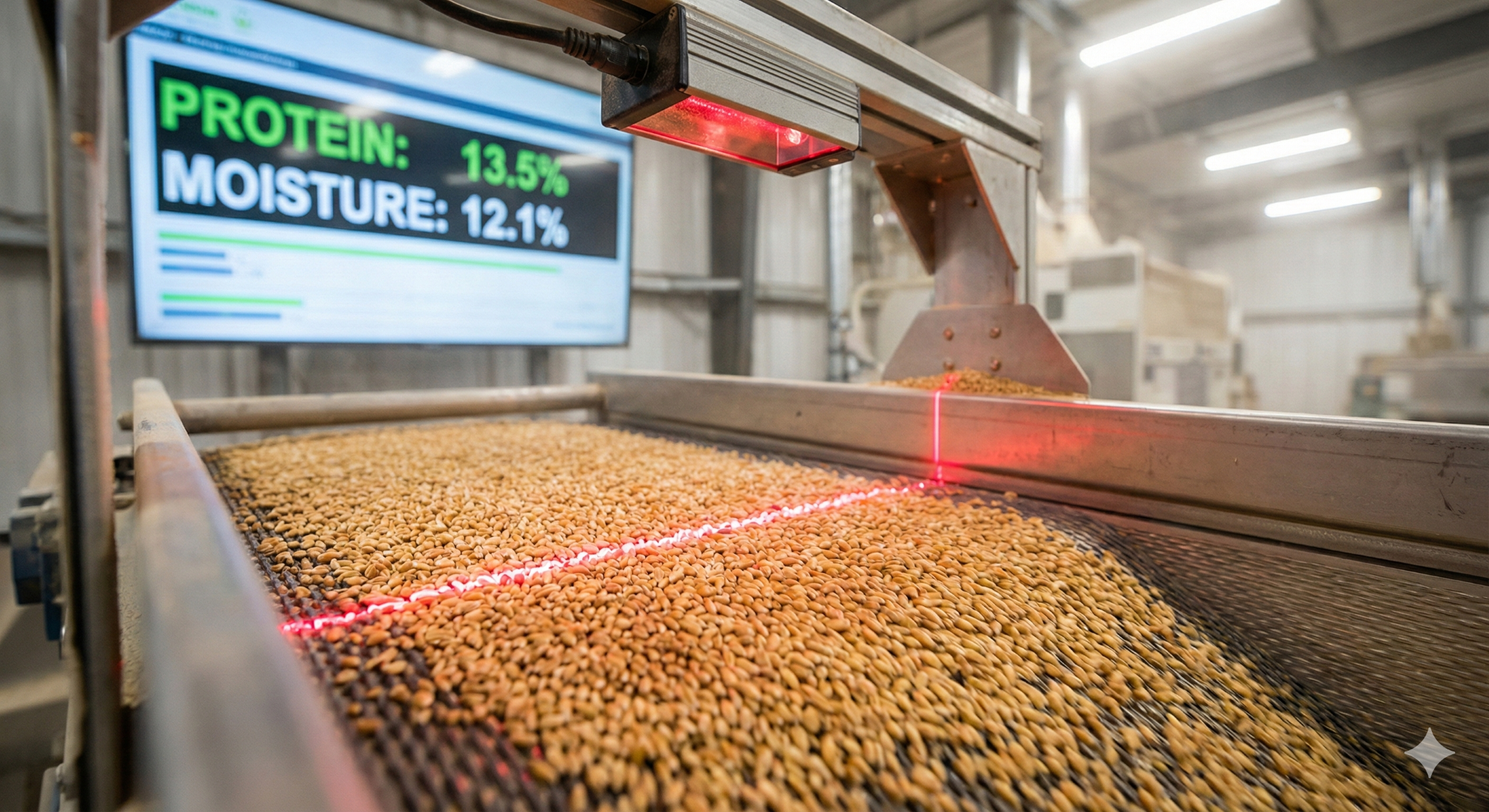
The price of a truckload of wheat is often determined by its protein content.
Instant Grading: Near-Infrared (NIR) spectroscopy allows grain elevators to measure protein and moisture levels in seconds as the grain is delivered.
Moisture Control: Maintaining the correct moisture level is vital to prevent spoilage and mold growth during storage.
Payment Accuracy: Because NIR is so precise, it ensures farmers are paid fairly based on the actual nutritional value of their crop rather than just its weight.
Not all flour is created equal. The performance of flour in a bakery depends on its chemical "functionality," which IR technology can predict.
Ash Content: Millers use IR to monitor the "ash content," which indicates how well the bran has been separated from the flour.
Baking Quality: Spectroscopy can analyze the gluten strength and water absorption capacity of flour, predicting whether it will produce a perfect loaf of bread or a crisp biscuit before the oven is even turned on.
Safety is the most critical aspect of cereal production. Grains are susceptible to natural toxins that can be harmful if consumed.
Mycotoxin Screening: Advanced IR models can detect the presence of fungal toxins (like Deoxynivalenol or Aflatoxin) in grain batches, allowing contaminated lots to be removed from the supply chain immediately.
Insect Detection: Infrared imaging can even spot hidden insect infestations inside kernels that are invisible to the naked eye.
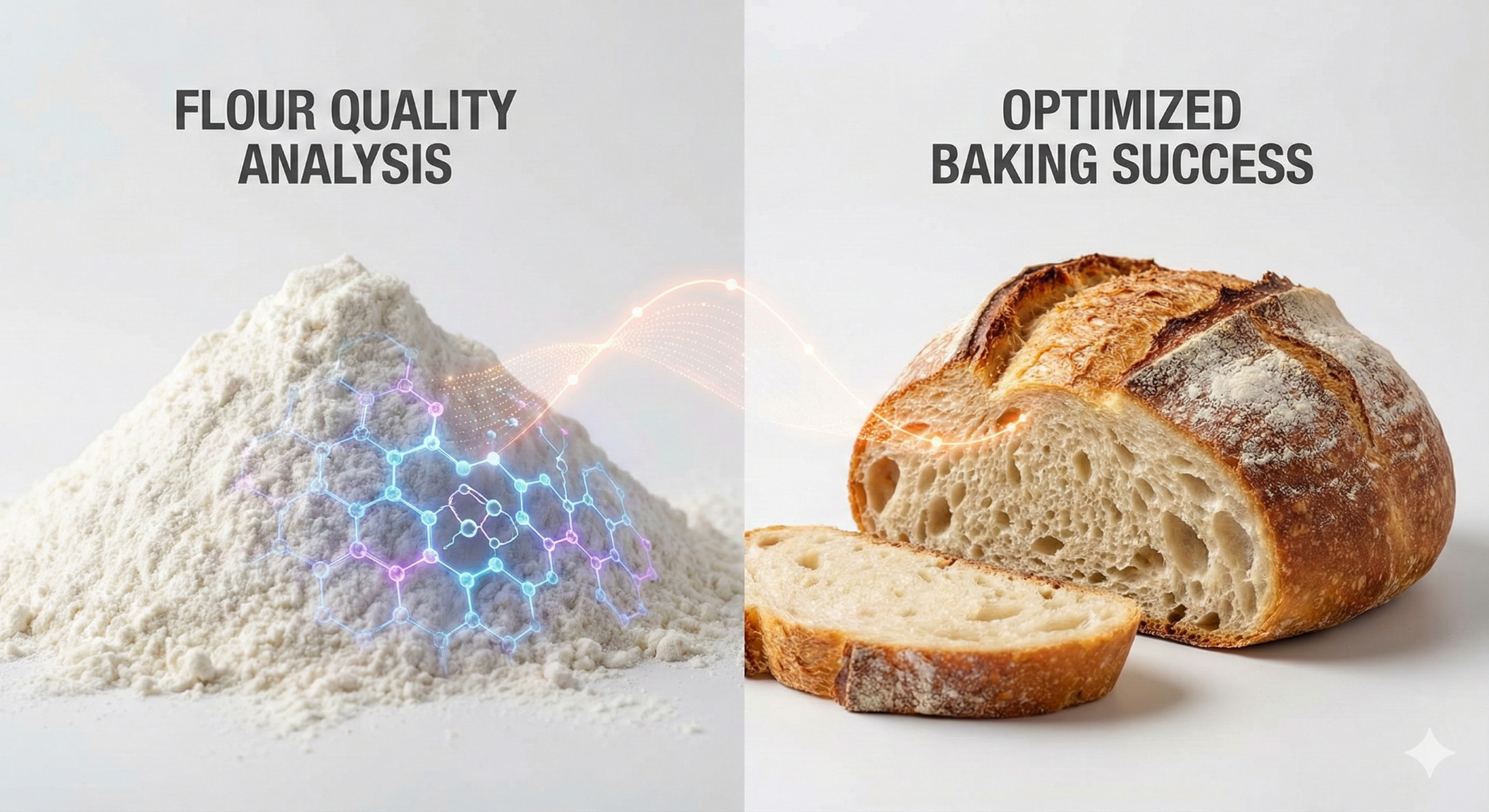
By replacing days of lab work with seconds of spectral scanning, the cereal industry has become faster, safer, and more efficient. For the consumer, this means more consistent bread, safer cereals, and a more transparent food system from the field to the bowl.