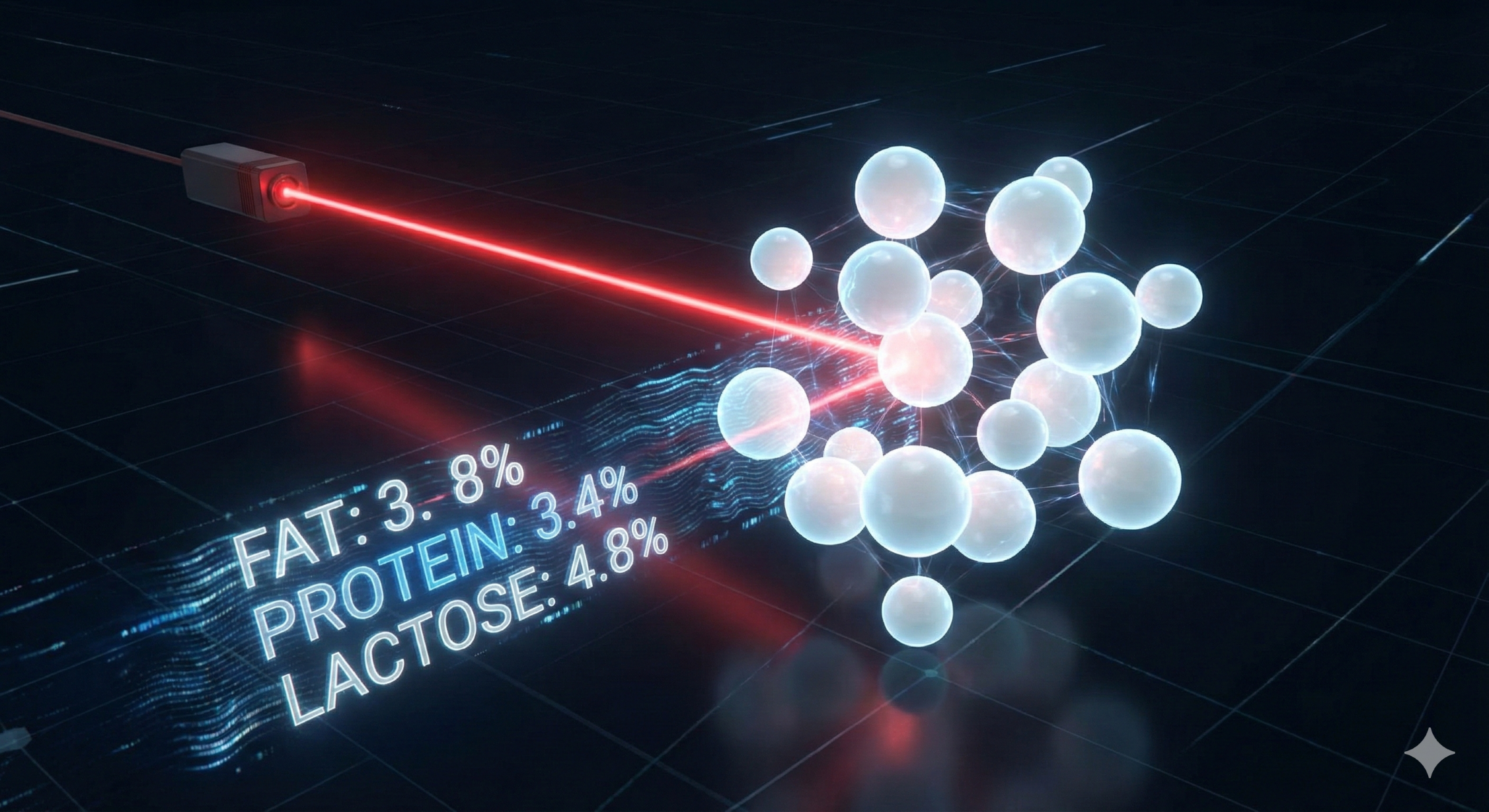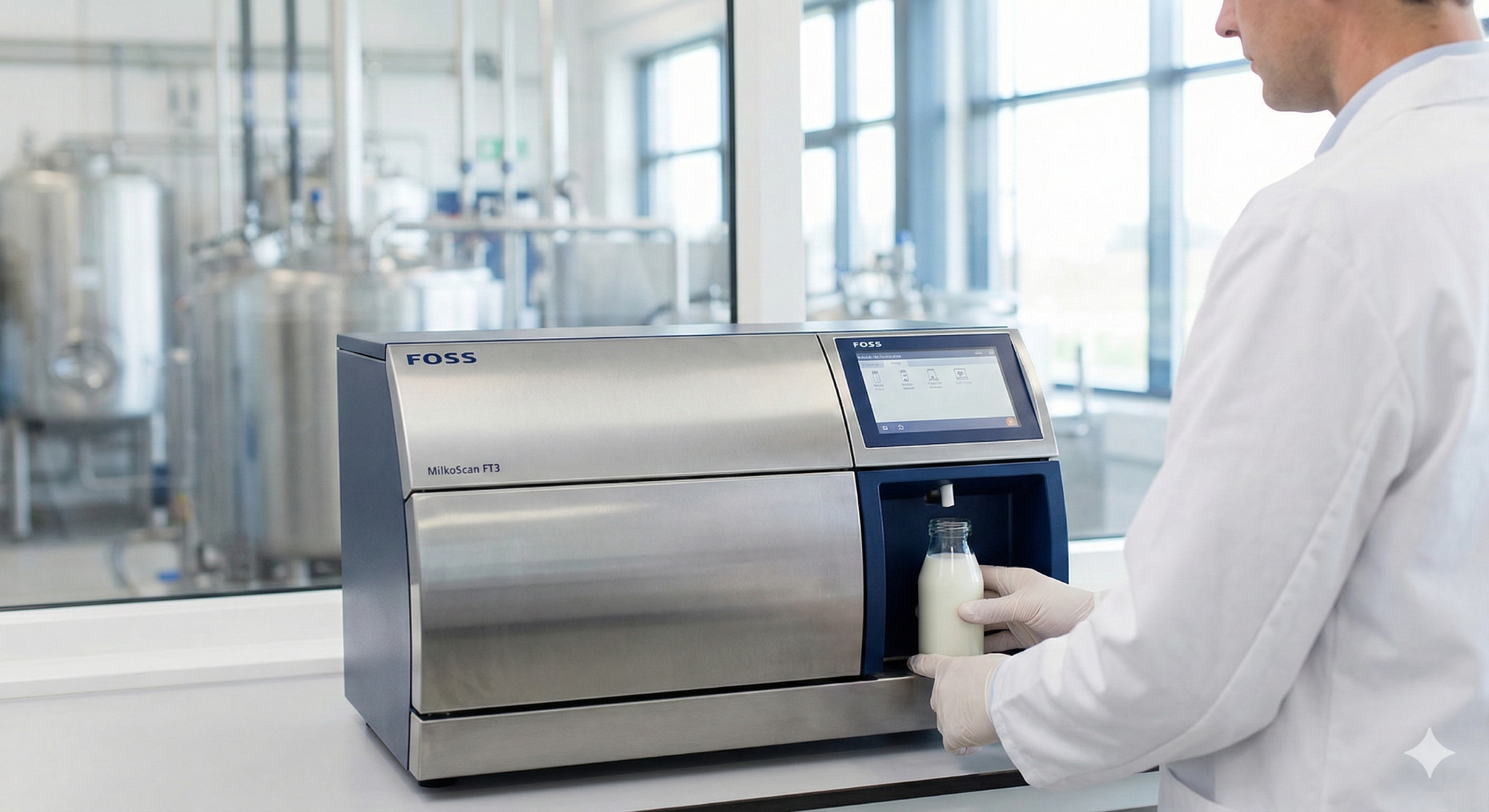
The most common application of IR spectroscopy in dairy is the rapid measurement of the "big three" components: fat, protein, and lactose.
Raw Milk Testing: IR sensors (specifically Mid-Infrared) are used to determine farmer payments based on milk quality. They provide accuracy within 0.03%, ensuring fair trade
. Precision Feeding: By analyzing the milk of individual cows, farmers can adjust diets in real-time to optimize health and milk yield.
In large-scale production, small errors lead to massive losses. IR technology allows for "In-line" analysis—meaning the product is tested while it moves through pipes.
Cheese Making: Sensors monitor the "cutting time" of the curd, ensuring maximum yield and consistent texture
. Milk Powder: Producers use Near-Infrared (NIR) sensors to monitor moisture levels during the drying process, preventing scorched batches and saving energy.
Food fraud is a significant concern in the dairy sector. IR spectroscopy acts as a molecular fingerprinting tool to verify product integrity.
Synthetic Milk Detection: IR can identify "synthetic" milk additions like urea, detergents, or vegetable oils that are sometimes used to artificially boost protein or fat readings
. Geographic Origin: Advanced spectral models can even distinguish between premium cheeses (like Emmental or Gruyère) based on the region they were produced, protecting high-value brands from counterfeiting.